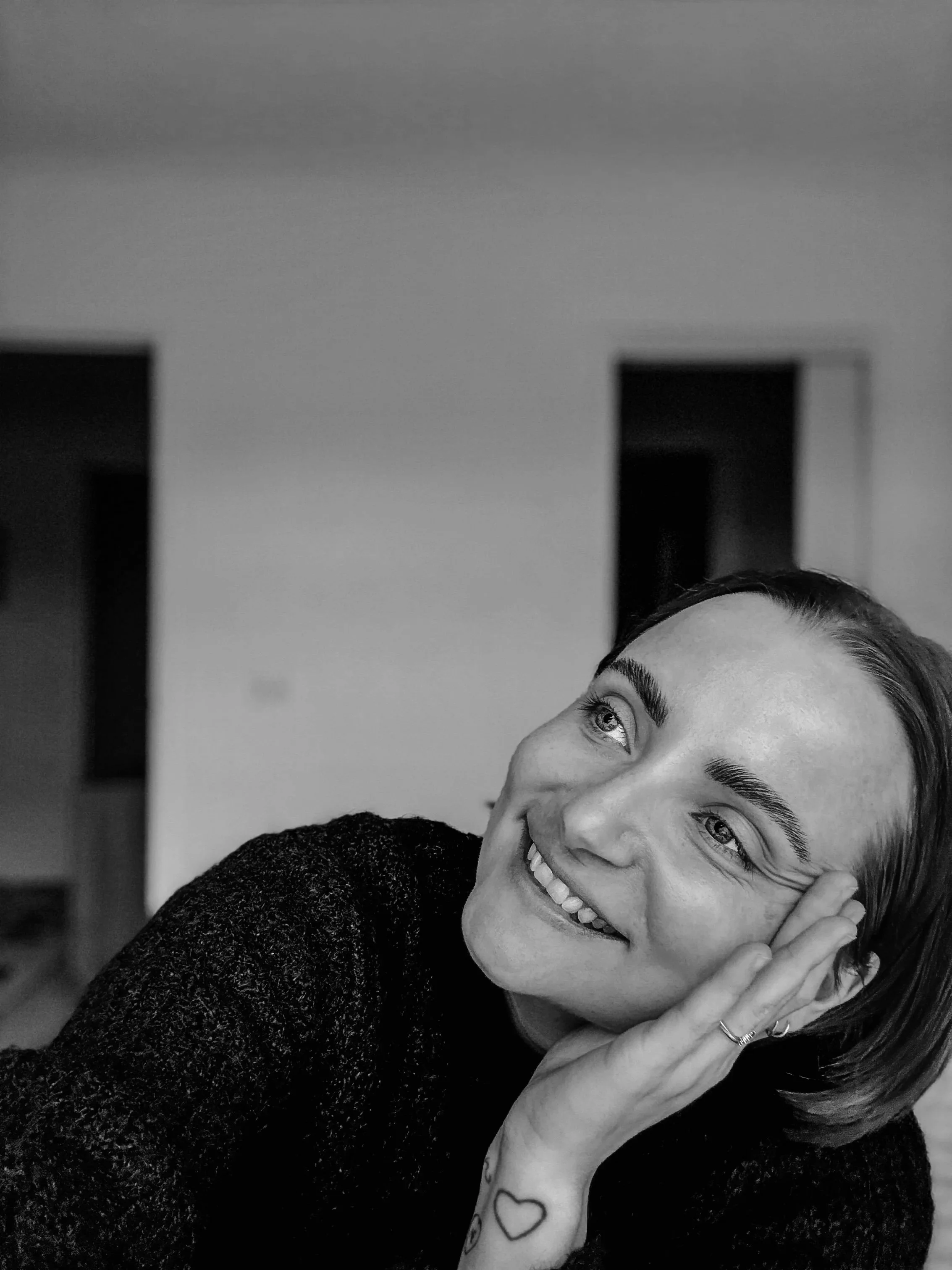
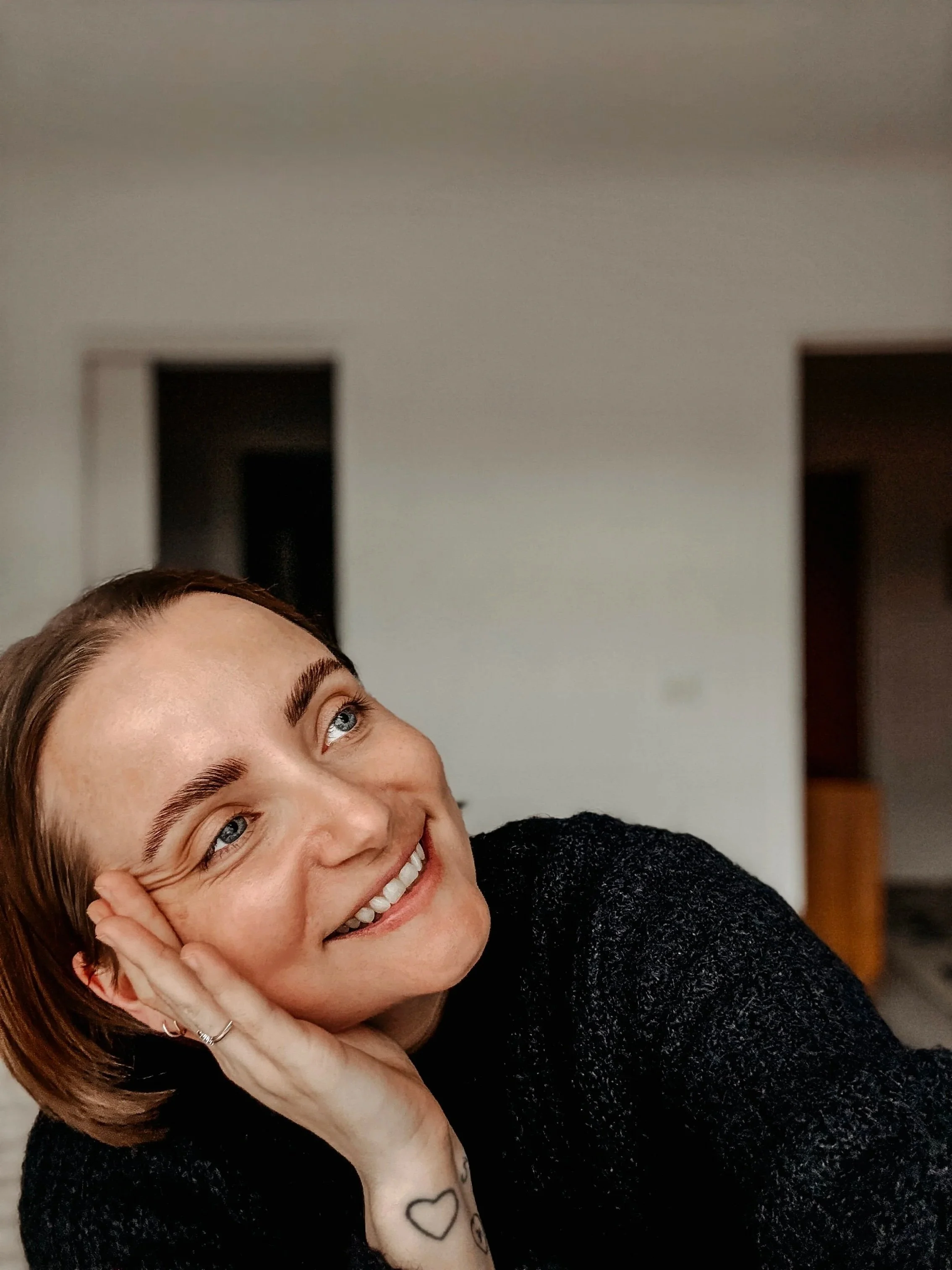
I've always been able to see right into a person. Not the polished surface they present, but the jagged architecture beneath: the darkness they've buried so deep they've almost convinced themselves it doesn't exist.
I love the darkness because that's where the human actually lives. Not in their rehearsed answers or their acceptable opinions, but in the place where they keep their secrets perfectly stored in glass containers, labelled in a language only they know.
But I speak the language too. They just don't know it yet.
So I let them talk whilst I watch their bodies betray them. The twitch of a mouth that contradicts the words spilling from it. The fingers that drum out morse code confessions on tabletops. Bodies are terrible liars, and I've learnt to read the silences between heartbeats, the stories written in the clench of a jaw, the truth someone swallows down before they speak.
They confess everything without saying a word. Their darkness bleeds through the cracks in their composure, and I don't look away. The light is where people perform. The dark is where they finally stop pretending, and that's where real transformation begins.
Pattern recognition as survival
I didn't become a relational strategist and systems architect because I read books about transformation. I became one because I've lived every version of it.
By 25, I'd survived an attempt on my life by a boyfriend, been married, divorced, and come out as queer. I'd launched my first business with zero knowledge at 24, rebuilt my entire understanding of love and partnership, and learned the hard way what happens when you let other people define your worth: financially, emotionally, and otherwise.
I've run businesses with teams, navigated the specific challenges of leadership when you're questioning everything about your identity, and made the decision to shut down a successful business during COVID to rebuild from scratch. I've been the one managing staff dynamics whilst my own life was falling apart. I've been the leader who had to fire people, restructure operations, and make decisions that affected others' livelihoods whilst barely holding my own together.
I've navigated the death of people I loved, the end of friendships that weren't actually friendships, and family dynamics that required me to choose my peace over their comfort. I've been the woman paying off someone else's debt, shrinking myself to fit someone else's vision of who I should be, and performing a life that looked perfect whilst quietly falling apart inside.
Pattern recognition wasn't something I studied. It's how I survived. When your safety depends on reading what's unsaid, when your survival requires you to predict what's coming before it arrives, you develop diagnostic capacity most people never need. I spent 14 years honing what I now know is my superpower: the ability to perceive the invisible architecture governing someone's reality before they've fully articulated it themselves.
The life I've built
I'm married to a woman. We have a four-year-old daughter who exists because we refused to give up: nearly six years of IVF, getting pregnant on our very last embryo. I understand the particular exhaustion of wanting something desperately whilst trying to maintain hope through repeated disappointment. I know what it's like to build a family outside the traditional template, to navigate the structural complexity of queer parenthood, and to consciously architect a life that looks nothing like what I was taught to want.
I'm also diagnosed OCD, ADHD, and PMDD, so I know what it's like to build a successful practice, sustain a marriage, and raise a child whilst your brain works differently. I've learned to work with my neurodivergence rather than against it, and I understand the specific challenges of maintaining relationships and running a business when your brain demands different structures than what's considered "normal."
The work I do now
I studied psychology before realising I didn't want to work in traditional mental health. I got my coaching certification, ran another successful business that I chose to shut down during COVID to go all-in on this solo practice: working with individuals, couples, and organisations ready to do the real work of structural transformation.
Every pattern I help people break? I've lived it, survived it, and alchemised it into something useful.
When I sit across from someone who looks like they have it all figured out but feels like they're drowning, I don't just understand. I remember. The perfectionism that's actually control. The relationships that drain instead of feed. The success that feels hollow because it's built on everyone else's expectations. The specific terror of realising the life you've built doesn't fit who you're becoming.
Why the snake š & the peacock š¦
You might be wondering about the snake and peacock imagery throughout this site. It's deliberate.
The Snake: Snakes shed their skin when it no longer serves them, when it's become constrictive, dead, unable to support their growth. They don't do it gradually or politely. They create a rupture point, split the old skin open, and leave it behind entirely. That's the work. Not gentle renovation. Not incremental improvement. Structural rupture that allows something new to emerge.
The Peacock: Peacocks display their full plumage unapologetically: vivid, visible, impossible to ignore. They don't hide what they are or dim themselves to make others comfortable. They exist loudly and authentically. That's what happens after the shed. You build something true, something visible, something consciously chosen rather than inherited.
Most people spend years trying to fix dead skin instead of recognising it's time to shed it completely. Or they shed it but then stay small, afraid to actually be seen in their new form.
I help you see what's already dead, create the conditions for it to split open, and architect what comes next: bold, visible, and unapologetically yours.
The truth
This work exists because it needs to. Because people are stuck in patterns they can't see, relationships that are slowly dying, and organisational structures that prevent the very outcomes they're designed to achieve.
Most people are trying to solve the wrong problem because they're addressing symptoms, not architecture. They're working harder, communicating better, implementing new strategies, all whilst the invisible pattern beneath continues to govern everything.
I do this work because I can see what others can't. I can perceive the hidden emotional and systemic architecture, articulate what's dead or dying with precision, and architect the conditions for something new to establish.
I'm not here to validate what's not working or offer incremental improvements. I'm here to create rupture points that force visibility on what's being avoided, then help you consciously redesign the structures governing your reality.
And I know you can handle more truth, more change, and more of your own power than anyone has ever given you credit for.